


We're Here to Assist You
Spider Prevention: A Recent Job & Some Homeowner Tips
Category: Holiday
Published: 02 Aug, 2026
By Jerry, Owner, Extermatrim Exterminating, Inc
What I Walked Into
By August, I usually start getting more calls about spiders around Southwest Louisiana. They're active throughout the year, but late summer is when many homeowners begin noticing more webs around porches, garages, sheds, and inside corners of the house.
A homeowner in Lake Charles recently called after finding spider webs showing up around the front porch almost every morning. They had been knocking the webs down for weeks, but they kept coming back. They also mentioned seeing a few spiders inside the garage and near the laundry room.
When I arrived, the home was clean and well maintained. The landscaping looked good, and there wasn't anything that immediately suggested a major pest problem.
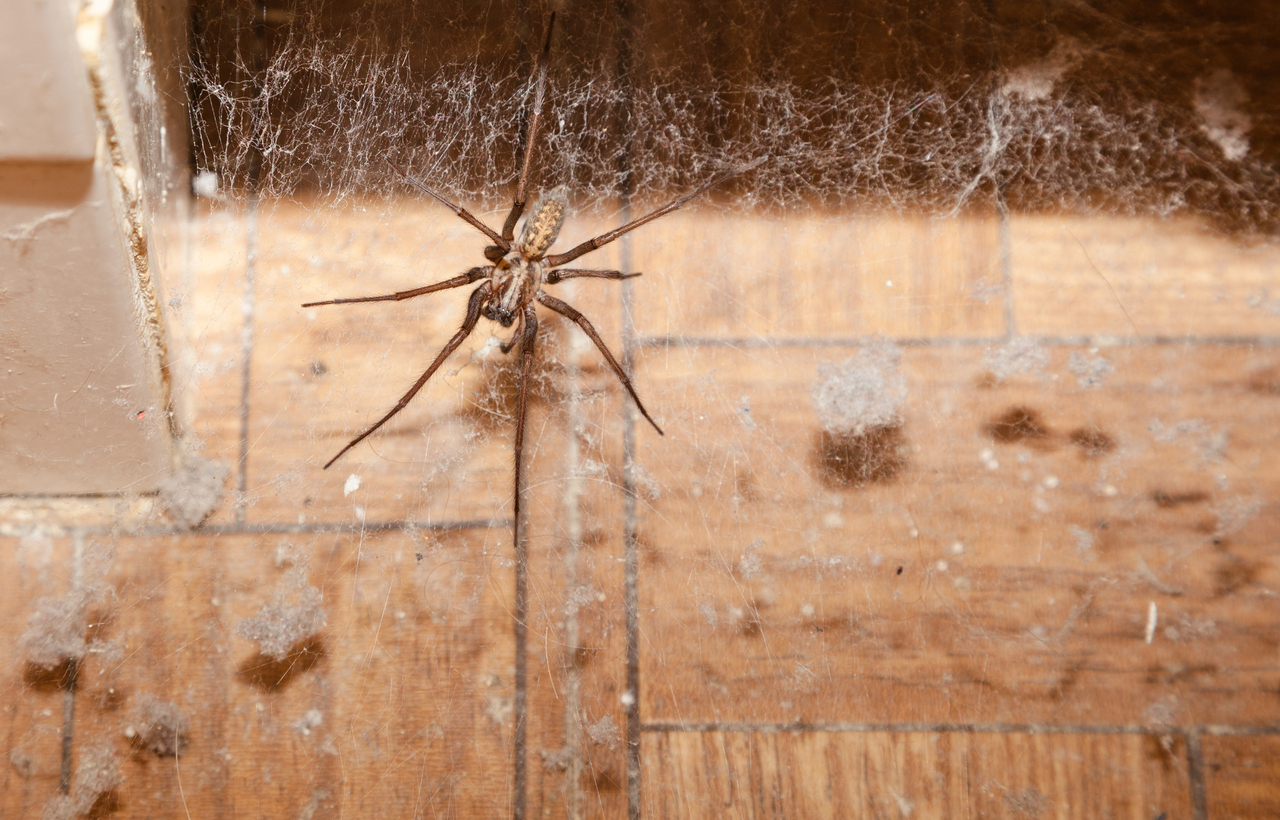
As I walked around the outside of the house, I noticed several areas where spiders had been building webs. There were webs under the porch lights, around the soffits, and along the corners of the garage door. Those are common places because they stay fairly protected from the weather and attract plenty of insects at night.
The Problem
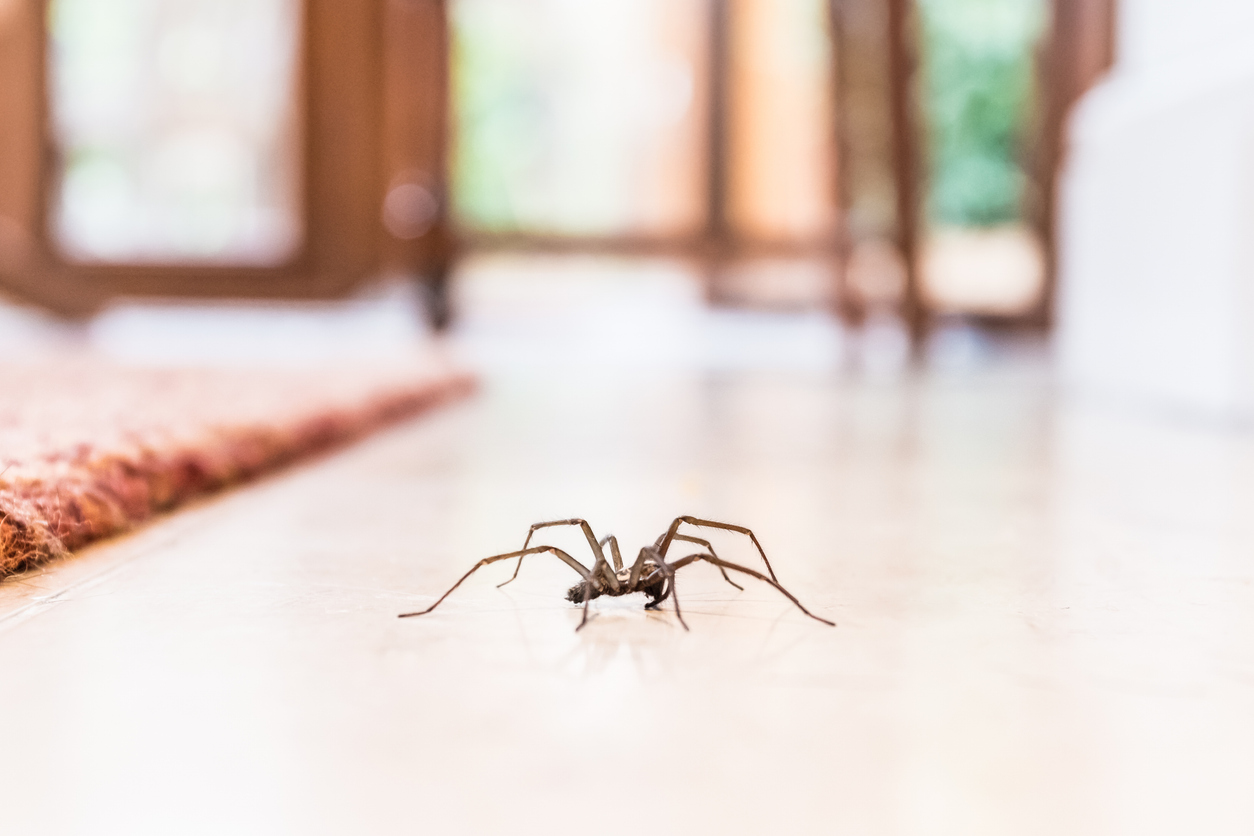
Most spiders aren't interested in people. They're interested in food.
The more insects there are around a home, the more attractive the property becomes for spiders.
During my inspection, I noticed several exterior lights that stayed on all night. Those lights were attracting flying insects every evening, giving spiders a reliable food source.
I also found thick shrubs growing close to parts of the home. The shaded areas behind them provided quiet places where spiders could stay hidden during the day before moving onto the house to build webs.
Around the garage, there were a few storage items that hadn't been moved for quite some time. Spiders like areas that don't get disturbed very often, so garages, sheds, and storage spaces are common places to find activity.
The homeowner said the biggest frustration wasn't that the spiders seemed dangerous. It was having to clear away new webs almost every day and never feeling like the problem was improving.

The Process
I started by walking the entire exterior with the homeowner so I could point out where most of the activity was taking place.
The first step was removing the existing webs around the porch, garage, windows, and roofline. Once those areas were cleared, I treated the exterior of the home with a product designed to reduce spider activity around the structure.
Next, I focused on the areas where spiders were most likely hiding, including around shrubs, foundation areas, corners of the garage, and other protected locations.
We also talked about the exterior lighting. I explained that lights naturally attract insects after dark, and insects attract spiders. While the lights weren't causing the problem by themselves, reducing insect activity around the home can also reduce spider activity over time.
Before I left, I suggested trimming back a few shrubs that were touching the house and keeping storage areas in the garage a little more organized so spiders would have fewer places to hide.
The goal isn't just to remove the webs you can see today. It's to reduce the conditions that encourage spiders to keep coming back.
The Outcome
By the time I finished, the homeowner said they understood why the webs kept returning instead of simply assuming there were more spiders every day.
I explained that they might still see an occasional spider, which is perfectly normal, but they should notice far fewer new webs around the house over the next several days.
About a week later, they let me know the porch looked much better. They weren't clearing away fresh webs every morning anymore, and they had only seen a couple of spiders around the garage instead of several every week.
They also told me they had trimmed the shrubs back from the house and changed a few things in the garage to keep storage areas cleaner.
Those small changes, combined with treatment, made a noticeable difference.

DIY Advice I Shared
If you're trying to reduce spider activity around your home, here are a few simple things worth checking:
1. Remove webs as soon as you notice them. Spiders often return to the same locations if the webs are left in place.
2. Keep shrubs, bushes, and tree branches trimmed back. Vegetation touching the house gives spiders an easy path to the structure and provides sheltered areas where they like to stay.
3. Keep garages, sheds, and storage rooms organized. Spiders prefer quiet places that don't get disturbed very often, so reducing clutter gives them fewer places to hide.
4. Reduce unnecessary outdoor lighting when possible. If you need exterior lights, consider using bulbs that attract fewer insects. Fewer insects usually means less food for spiders.
5. Inspect your home regularly. Every so often, take a walk around the outside of your house and check under eaves, around porch ceilings, garage doors, and window frames where webs commonly appear.
These small habits won't eliminate every spider, but they can make a noticeable difference over time.

"It's brighter than before!"
— Megan
Professional Insight
One thing I explain to homeowners is that spiders are usually a sign that insects are active around the property.
If you only knock down the webs without addressing what's attracting spiders in the first place, the activity often continues.
That's why every inspection looks at more than just where the webs are. Around Southwest Louisiana, I pay attention to lighting, landscaping, storage areas, moisture, and other conditions that may be encouraging insects and, in turn, attracting spiders.
When treatment is combined with a few simple prevention steps, homeowners usually see much longer-lasting results.
Closing Thoughts
Most of the spider calls I receive in August aren't because homeowners suddenly have hundreds of spiders.
They simply get tired of seeing new webs appear every morning around the porch, garage, or entryway.
If you're in Southwest Louisiana and you're constantly brushing away webs or noticing more spiders around your home than usual, it's worth taking a closer look before the activity becomes more frustrating.
– Jerry
Thanks for reading,
– Ryan Pigg

Address
613 Main St, Elton, LA 70532, United States


© 2025 Extermatrim Extermination Inc. All rights reserved.