Love Your Space: Show Your Home Some Rodent-Proofing TLC
By Jerry, Owner, Extermatrim Exterminating, Inc
What I Walked Into
Rodents tend to make a home feel uncomfortable fast. You don’t always see them right away, but you start noticing the signs—scratching sounds at night, small droppings in cabinets, or food packaging that looks chewed. For new homeowners especially, that kind of discovery can be stressful. You want your house to feel safe and settled, not like something is moving around behind the walls.
This couple first noticed things didn’t feel right when they heard noises coming from the wall near the laundry room late at night. A few days later, they found droppings under the sink and behind a storage shelf. That’s usually when people realize it’s more than just a one-time issue.
When I started my inspection, the reasons rodents had shown up became pretty clear.
In the pantry area, there were open food bags and pet food stored on the floor. Even small amounts of food left out are enough to keep mice coming back. Rodents have a strong sense of smell, and once they find a food source, they don’t forget it.
Along the wall behind the washer and dryer, I noticed a small opening where a utility line came through. It didn’t look like much, but mice only need a very small gap to get inside. That was likely how they were getting in.
Outside the house, there were items stored tight against the exterior wall, which gave rodents an easy place to hide and move along the foundation without being noticed.

The Process
When I’m dealing with rodent issues, I focus first on how they’re getting in and why they’re staying. Catching one mouse doesn’t help much if the entry point is still open.
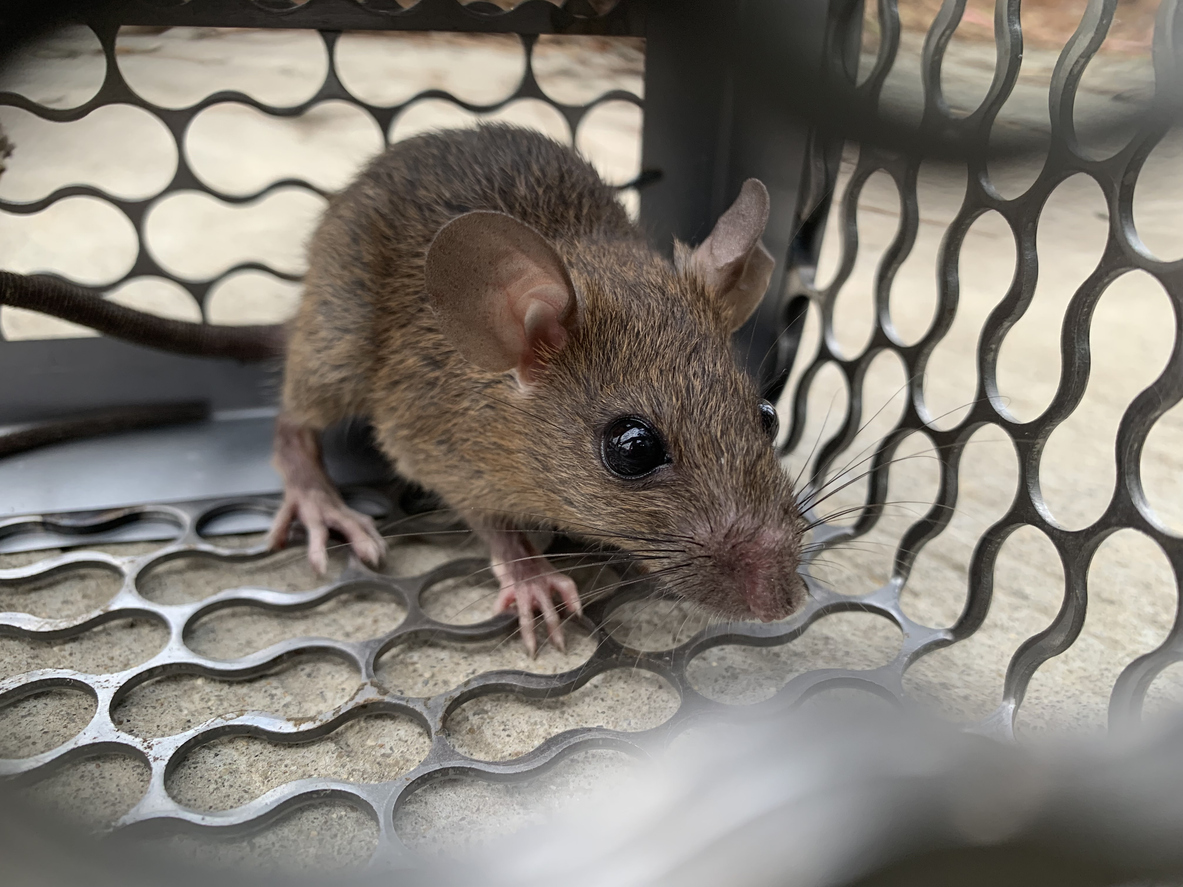
I started inside by checking common nesting and travel areas—under sinks, behind appliances, along baseboards, and inside cabinets. I placed traps in areas where I saw the most activity, making sure they were set where rodents naturally move, not just where it was convenient.
Next, I addressed the entry points. That small gap near the utility line was sealed so nothing else could squeeze through. I also checked doors and found one area that needed a tighter seal.
We talked through food storage next. I recommended moving all pantry items and pet food into sturdy containers and keeping the area under the sink clear and dry. Rodents look for both food and quiet places to nest, so reducing both makes a big difference.
Outside, I walked the full perimeter of the home. I pointed out areas where items were stored too close to the house and explained how that creates cover for rodents. I also checked the foundation and exterior walls to make sure no other openings were being missed.
Nothing we did was complicated—it was just a combination of trapping, sealing, and reducing what was attracting them in the first place.

The Outcome
By the time I wrapped everything up, the couple seemed noticeably more relaxed. At first, the noises in the walls had them worried something serious was wrong with the house itself. Once I walked them through what I found and explained how the rodents were getting in, it helped clear up a lot of that stress. Knowing there was a clear reason—and a clear plan—made a big difference.
A few days later, they sent me a message saying the scratching sounds had completely stopped. They hadn’t found any new droppings in the cabinets or along the baseboards, which was a good sign that the activity had been addressed. They also mentioned that sealing the entry points and reorganizing their food storage gave them peace of mind, especially at night when the house is quiet.
What stood out most was how relieved they felt knowing they caught the problem early. Instead of waiting for it to turn into more damage or a bigger cleanup, they were able to handle it before it went any further. Feeling like they were back in control of their home was exactly the outcome we were aiming for.
DIY Advice I Shared:
These are the same practical tips I shared with them:
Store food and pet food in sturdy, sealed containers.
Keep pantry shelves and cabinets clean so crumbs don’t build up.
Check for small gaps around utility lines, doors, and vents, and seal them when possible.
Reduce clutter in storage areas, garages, and laundry rooms where rodents like to nest.
Keep items stored a few feet away from exterior walls.
Take trash out regularly and don’t leave food scraps sitting overnight.
Small changes like these make your home a lot less inviting to rodents.
Professional Insight
DIY steps go a long way when it comes to prevention, especially with food storage and keeping clutter down. But once rodents are active, a professional inspection can make things a lot easier. Rodents are good at staying out of sight, and most homeowners only notice the noise or the droppings without seeing where the problem really starts.
A proper inspection focuses on the details—small entry points around utility lines, gaps near doors, or areas that don’t get checked often. It also helps identify where rodents are nesting and how long they’ve been there. Without that, people often end up treating the same issue over and over.
The goal isn’t to use more products or do anything extreme. It’s about closing off access, addressing the activity the right way, and correcting the conditions that made the home attractive to rodents in the first place. When those steps are taken together, rodent problems are much less likely to come back.
Closing Thoughts
Helping this couple was a good reminder that a little attention early on can prevent bigger issues later. A home is a big investment, and taking time to rodent-proof it now saves a lot of stress down the road.
If you’re in Elton or anywhere in South Louisiana and notice signs like scratching sounds, droppings, or chewed items, don’t ignore them. I’m always here to take a look and help when you need it.
– Jerry
[https://extermatrim.com/rodents]
