January 2026 Journal – Resolve to Stay Pest-Free All Year
The Problem: Small Issues Adding Up
During my walkthrough, I noticed several small issues that didn’t seem urgent on their own—but together, they painted a clear picture of how pest problems usually begin.
1. Accessible Food Sources
In the kitchen pantry, a few food items were left partially open:
Bags of chips and crackers that weren’t sealed
A flour bag that hadn’t been closed properly
A light dusting of flour along the back of the shelf
These may seem harmless, but even trace amounts of food can attract pests. Ants, beetles, and other pantry insects are quick to detect food scents, and once they find a reliable source, they don’t forget it.
2. Moisture Under the Sink
While checking under the kitchen sink, I noticed a slow drip forming around the drain line. It wasn’t enough to cause visible damage, but it was keeping the area consistently damp.
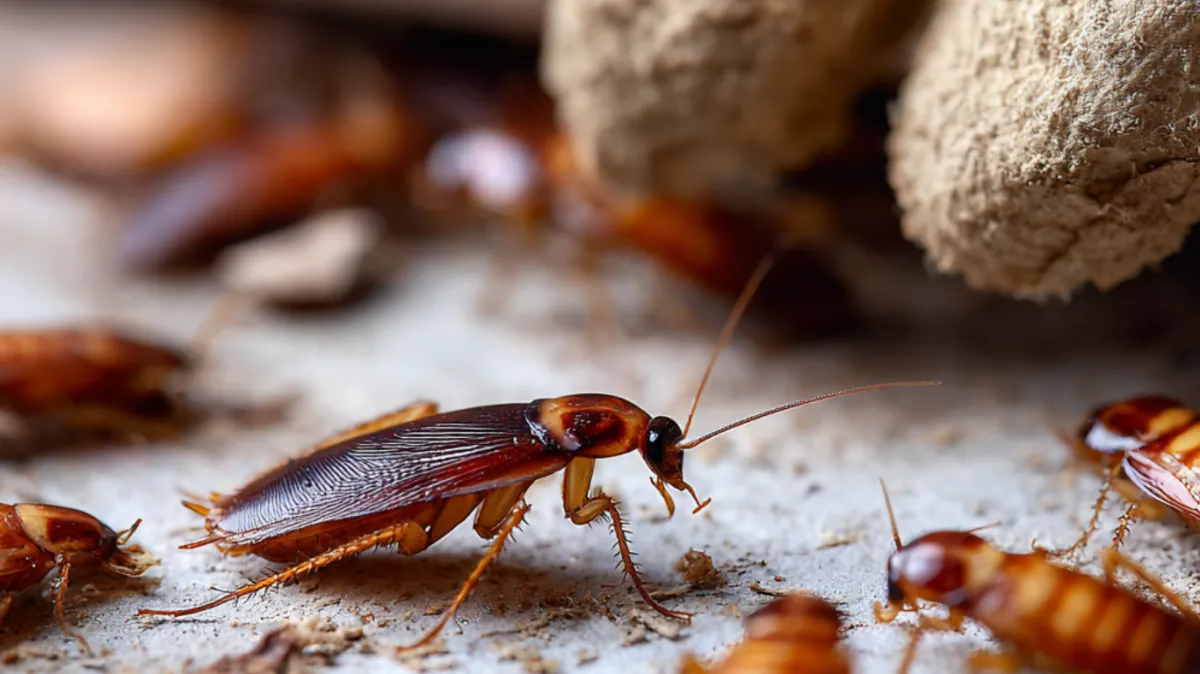
Moisture is a major draw for pests—especially roaches and other insects looking for warm, humid places to settle, particularly during the colder months.
3. Shelter Along the Exterior
Outside near the carport, there was a stack of firewood resting directly against the home’s exterior wall.
Firewood piles often become shelter for:
Spiders
Roaches
Termites
Rodents
When stacked against the house, they give pests a direct and easy path indoors.
Why This Matters
None of these issues alone qualified as an emergency. But when food, moisture, and shelter exist in close proximity, it creates the perfect setup for pests to move in. That’s typically how infestations start—not overnight, but through small issues that go unnoticed or unchecked.
While we were talking, she mentioned how last spring she woke up to ants swarming her kitchen the morning she was hosting a family get-together.
“Jerry, I can’t deal with that again this year.”
And honestly, I didn’t blame her. One experience like that is usually enough to make prevention feel a lot more important than reaction.
The Process
I started the way I always do—with a full interior and exterior inspection. It doesn’t matter if a customer thinks they have a small issue or no issue at all, the inspection is what gives me the full picture.
Inside the home, I took my time checking along the baseboards, under sinks, around plumbing lines, and any other area where pests typically slip through. Under her kitchen cabinets, I found two small gaps where pipes came through the wall. They weren’t huge, but big enough for ants and roaches to take advantage of, so I sealed those up right away. Little fixes like that go a long way in preventing headaches later.
In the kitchen and pantry, I pointed out the flour dust and open snack bags so she could see exactly what I meant about food sources. I wiped the shelves clean, helped her move everything into airtight containers, and showed her the kind of containers I usually recommend. It wasn’t a big job, but organizing it properly makes a real difference in keeping pests from being tempted.
For the moisture issue, I tightened the drain line under the sink. It was a minor adjustment, but you’d be surprised how many pests gather around the smallest leaks. I told her to keep an eye on it for a day or two and let me know if it stayed dry or if we needed to take the next step.
Outside, I walked the perimeter of the house and checked every common entry point—windows, door frames, utility lines, the foundation. Once I was satisfied, I applied a standard exterior treatment around the home’s base. It helps create a solid barrier that stops ants, roaches, and other bugs before they start looking for a way in.
The Outcome
By the time I wrapped up and loaded my tools back into the truck, her home already felt more put-together. She walked around with me for a final look, and you could see the relief on her face just knowing everything had been checked, tightened, cleaned, or sealed. She said, “Jerry, I breathe easier knowing everything is checked and sealed.” And honestly, that’s one of the best parts of this job—seeing someone go from worried to relaxed over things that used to stress them out.
None of the issues we found were dramatic, but taking care of them early meant she didn’t have to worry about waking up one morning to ants on the counter or roaches under the sink. Those small fixes add up.
A few days later, she sent me a text just to give me an update. She told me the moisture drip under the sink hadn’t come back, the pantry smelled cleaner after reorganizing everything, and she felt like she was “ahead of the game this year.” It was a simple message, but it told me everything I needed to know: she felt in control of her home again. That’s the part of the job that makes the early starts and long days worth it.
DIY Advice (From My Visit With Ms. Broussard)
Here are the same practical tips I shared with her. Nothing fancy—just habits that make a real difference:
Store pantry food in airtight containers, especially flour, cereal, rice, and snacks.
Wipe down countertops and pantry shelves weekly to clear crumbs and food residue.
Fix moisture problems right away, even small drips or condensation.
Keep firewood a few feet away from the house, and shake or check pieces before bringing them inside.
Clean under appliances once a month—crumbs and spills collect there fast.
Take out the trash daily, especially after tossing any food scraps.
Closing Thoughts
Starting the year by helping Ms. Broussard was a good reminder of how much easier it is to stay ahead of pest issues rather than wait for them to show up. January really is a good time to look around the house, fix a few things, and set yourself up for a smoother year.
If you’re in Elton or anywhere nearby in South Louisiana and notice anything that doesn’t look right, you can always reach out. I’m here to help when you need it.
– Jerry
