


We're Here to Assist You
Bees: A Recent Job & Some Homeowner Tips
Category: Holiday
Published: 15 March 2026
By Jerry, Owner, Extermatrim Exterminating, Inc
What I Walked Into
March in South Louisiana usually means warmer weather, blooming plants, and more outdoor activity. It also means I start getting more calls about bees.
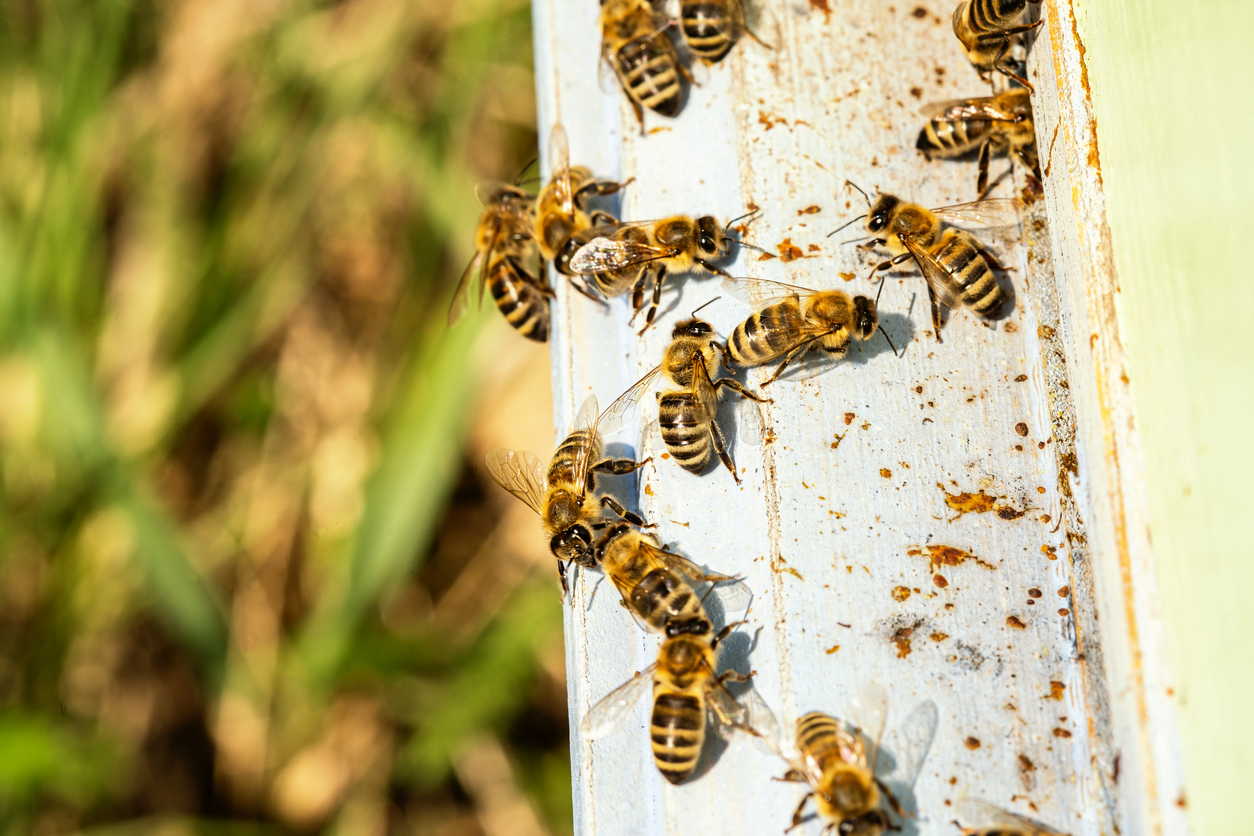
A homeowner in Lake Charles called me after noticing steady bee activity around the corner of their house near the roofline. At first, they assumed it was just normal spring movement. But after a few days, they realized the bees were going in and out of the same small opening near the soffit.
When I arrived, the home was in good shape. The yard was maintained, and nothing looked neglected. That’s something I tell people often—bee problems don’t mean you’ve done anything wrong. Sometimes bees just find the right spot and settle in.
From the ground, I could see a consistent pattern of bees entering a narrow gap near the roof edge. That usually tells me there’s a hive forming inside.
The Problem
Bees play an important role in the environment, but when they build a hive inside a structure, it becomes a different situation.
During my inspection, I confirmed that bees were entering through a small opening in the soffit area. Based on the amount of activity, it was likely a growing hive inside the wall cavity.
Here’s what I explained to the homeowner:
When bees build inside walls, the honeycomb continues to expand.
Over time, honey can seep into insulation or drywall.
If the hive grows large enough, it can cause staining, odors, and even attract other insects.
The bigger concern is safety. Increased activity near doors, patios, or walkways raises the risk of stings, especially for children or pets.
The homeowner wasn’t panicking, but they were concerned. They had young kids who played in the yard, and they didn’t want anyone getting stung.

The Process
When I handle bee situations, I take a careful approach.
First, I confirmed exactly where the bees were entering. That small gap near the roofline was the access point. I assessed the level of activity to determine how established the hive was.
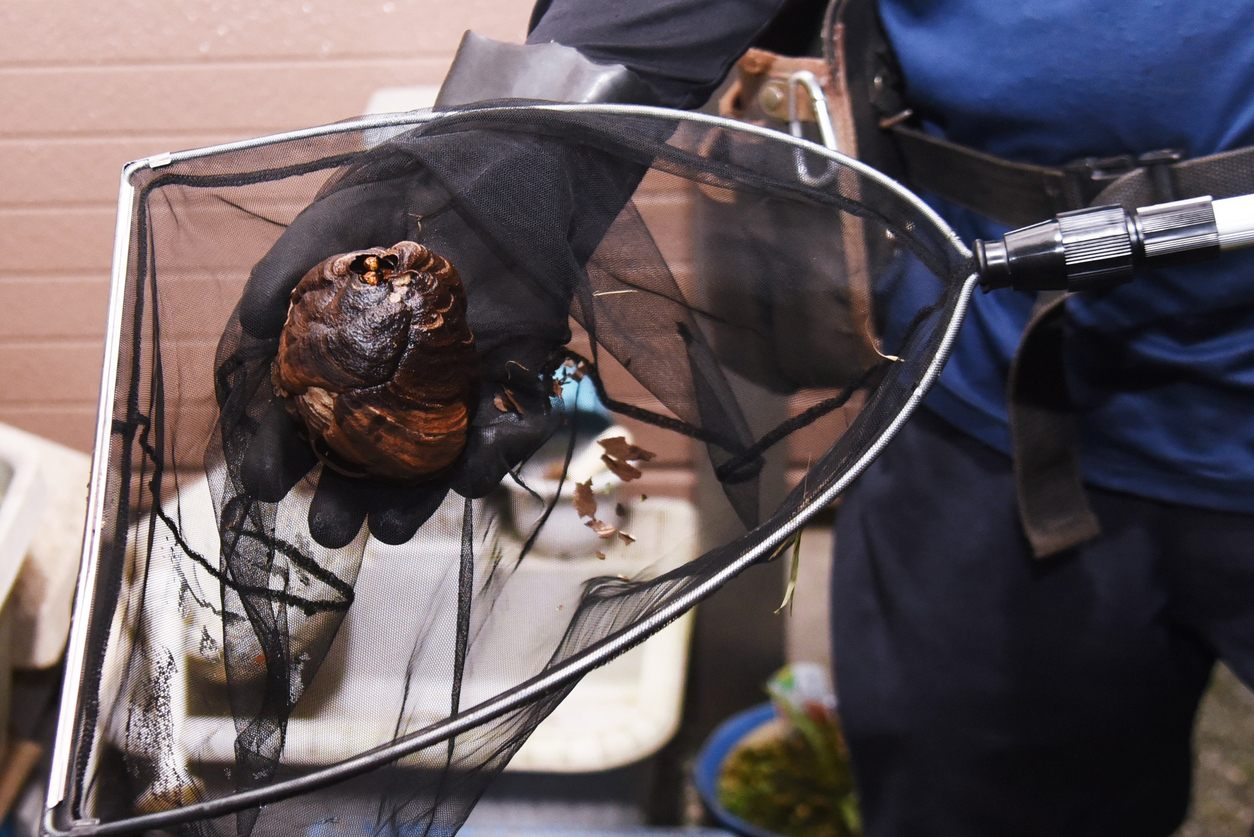
Next, I used proper protective equipment and treated the entry area to address the active bees safely. In cases like this, the goal is to eliminate the hive activity without causing unnecessary disturbance that could make the bees aggressive.
After treatment, I sealed the entry point so nothing could re-enter once activity stopped. This is important. If you don’t close off access, another swarm can move in later.
I also explained that any remaining honeycomb inside should be monitored. In some cases, removal is necessary to prevent long-term issues, especially if there’s a large buildup.
Outside the home, I walked the perimeter and checked for any additional openings along the roofline or siding that could allow future nesting.
Nothing about the job was rushed. It was a step-by-step process to make sure it was handled properly and safely.
The Outcome
By the time I finished the treatment and sealed the entry point, I could already see a noticeable drop in activity around the roofline. There were still a few bees circling, which I explained is normal for a short time. When a hive is disrupted, some bees return looking for the entrance. Once they realize it’s no longer active, that movement fades out.
A few days later, the homeowner reached out and said the traffic had completely stopped. No more steady stream going in and out of the soffit. They mentioned their kids were playing outside again without hesitation, and that was important to them. When bees are flying close to where your family spends time, it changes how you use your own yard.
They also said they hadn’t realized how often they were checking that corner of the house until the activity was gone. Every time they walked outside, they’d look up automatically. Once the hive was handled, that constant awareness disappeared.

DIY Advice I Shared
Before I left, I went over a few practical things they can keep an eye on moving forward:
✔ Pay attention to steady bee traffic entering the same small opening. A random bee flying around isn’t unusual, but repeated entry in one spot is worth checking.
✔ Look over rooflines, soffits, and siding for small gaps or loose areas where bees could enter.
✔ Keep exterior wood sealed and in good condition to reduce nesting opportunities.
✔ Trim back tree branches that hang close to the roof, since they can give bees easy access.
✔ Avoid trying to spray a hive yourself, especially if it appears to be inside a wall. That can make the situation more dangerous and doesn’t address the hive properly.
These simple checks don’t take much time, but they can help catch activity early before it turns into something bigger.
"It's brighter than before!"
— Megan
Professional Insight
With bees, what you see outside is often just the entrance. The hive itself may be inside a wall cavity, attic space, or soffit area.
Spraying visible bees without addressing the hive and sealing the entry point usually leads to repeat problems. In some cases, it can also make the situation more dangerous if the hive is disturbed improperly.
The goal isn’t to overcomplicate the process. It’s to handle the active hive safely, seal the structure properly, and prevent re-entry. When those steps are done together, the problem usually stays resolved.
Closing Thoughts
Spring in South Louisiana always brings more bee activity. Most of the time, they’re just moving through the area. But when they start using your home as a nesting site, it’s worth paying attention.
Helping this family was a reminder that early action makes everything easier. A small hive today is much simpler to handle than a large one months later.
If you’re in South Louisiana and notice steady bee activity around your home, I’m always here to take a look and help you figure out the next step.
– Jerry
Thanks for reading,
– Ryan Pigg

Address
613 Main St, Elton, LA 70532, United States


© 2025 Extermatrim Extermination Inc. All rights reserved.